News reports often use the words migrant, refugee and asylum seeker as if they meant the same thing. They do not, and the difference matters. It affects the legal protection a person receives, the rights they hold and the way communities respond. This article explains the terms in plain language and looks at what daily life can look like for people who have left their homes.
Who is a migrant?
There is no single legal definition of a migrant, but the word generally describes a person who moves from one place to another, usually across a border, to live there for a period of time. Reasons vary widely: work, study, family reunion, or a search for a better life.
Migrants normally can return home safely if they choose to, and they remain under the protection of their own government.
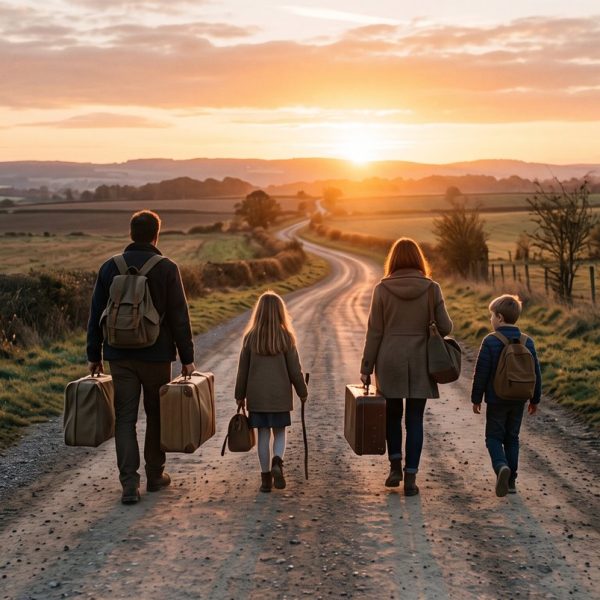
A migrant usually chooses to move, while a refugee is forced to flee.
Who is a refugee?
A refugee is a person who has fled their country because of a well-founded fear of persecution, war or violence and cannot return safely. International law, especially the 1951 Refugee Convention, defines refugees and sets out their rights. The UN Refugee Agency provides guidance and protection worldwide.
A key principle is non-refoulement: refugees must not be sent back to a place where their life or freedom would be at risk.
Who is an asylum seeker?
An asylum seeker is someone who has asked a country for protection and is waiting for a decision. Not every asylum seeker will be recognized as a refugee, yet every person has the right to have their claim assessed fairly.
The process can take months or years, and during that time people often face uncertainty about housing, work and family.
Internally displaced people and stateless persons
Some people are forced to leave home but stay within their own country. They are called internally displaced persons and do not benefit from the same international protection as refugees.
Stateless people are not considered citizens by any country. They may lack documents, access to school, health care or legal work.
Why the words matter
Using the right term is a matter of accuracy and respect. Mixing up the words can lead to confusion about people's rights and fuel misunderstanding in public debate.
Journalists, teachers and officials who use precise language help communities understand what is actually happening.
Life after arrival
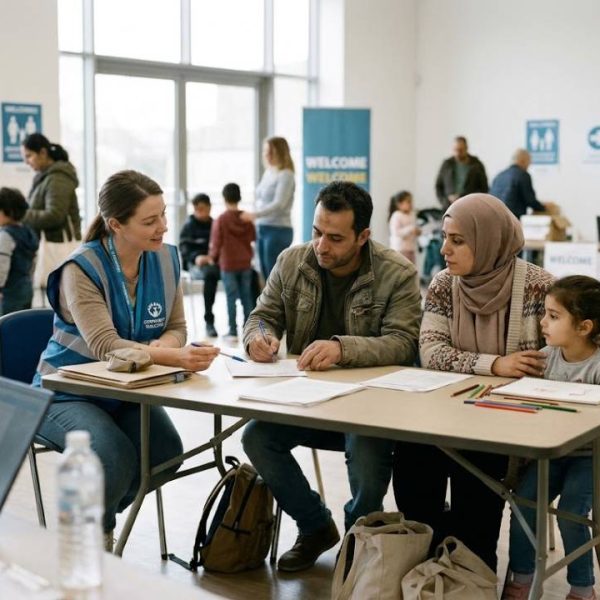
Arriving in a new country is only the beginning. Newcomers must find housing, learn a language, understand the school system and navigate health care. Many also work to rebuild careers they had at home, from nurses to engineers.
Support from local volunteers, schools and neighborhood groups makes a large difference in how quickly people settle.
Paperwork and official documents
Nearly every step involves paperwork: identity papers, family records, school certificates and medical files. Authorities often require these documents in the local language, and mistakes can delay a case for months. Professional USCIS translations help applicants present records that meet official standards.
Education records matter too, since they unlock study and work opportunities. This guide to diploma and transcript translation explains how to prepare them.
Learning the language
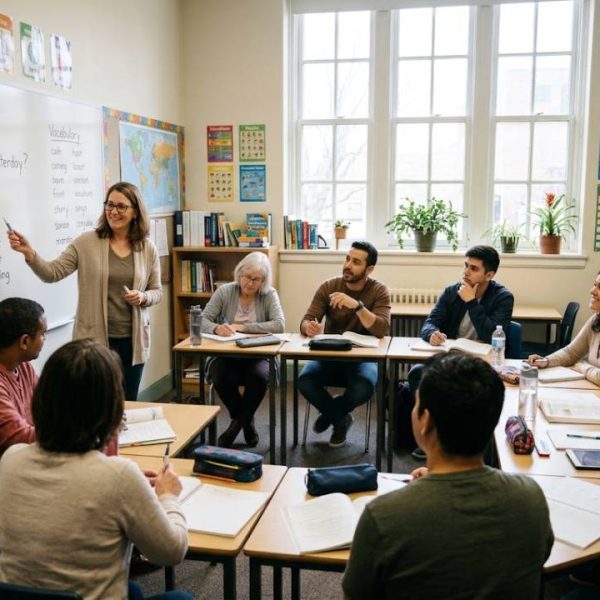
Language classes are among the most valuable support services. They open doors to jobs, friendships and everyday tasks like talking to a doctor or a teacher. Programs that combine lessons with practical situations, such as visiting a pharmacy or filling out a form, tend to work best.
Work and economic contribution
Many newcomers are eager to work. Recognition of qualifications, access to training and fair employment practices help them use their skills. Studies from several countries show that, over time, many migrants and refugees contribute significantly through work, taxes and new businesses.
Mental well-being and community
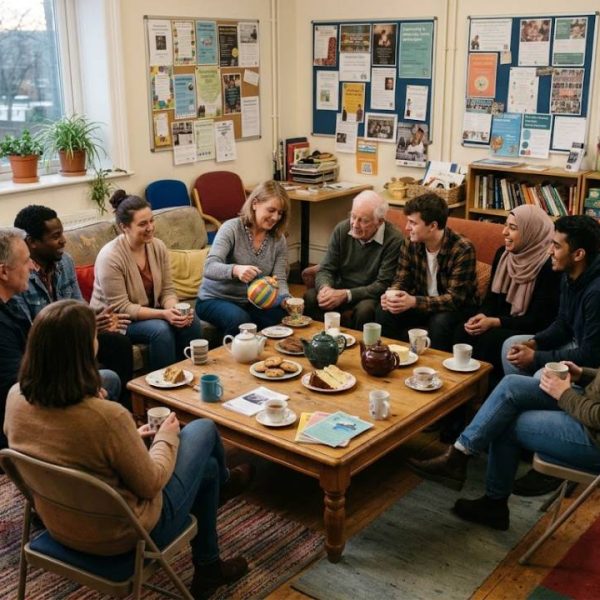
Leaving home can be stressful, and some people carry difficult memories. Safe spaces, peer groups and access to counseling services, when requested, support recovery. Simple gestures, such as a greeting or an invitation to a local event, also help people feel they belong.
Children and education
Children who arrive in a new country need a calm start at school. Welcome classes, extra language support and teachers trained to understand different backgrounds help them catch up and make friends. Parents benefit from clear information about how the school system works, from enrollment to parent meetings.
Common myths and facts
One common myth is that people who flee simply choose the most generous country. In reality, most refugees stay in neighboring countries close to home. Checking figures from reliable humanitarian sources helps separate fact from rumor.
How communities can help
Neighbors can volunteer as language partners, donate useful items, support local charities or simply learn about the cultures of newcomers. Employers can offer fair opportunities, and schools can welcome new students with patience.
Reliable information from trusted organizations is the best response to rumors and fear.
This article provides general information and is not legal advice. For questions about a specific immigration or asylum case, please consult a qualified lawyer or an accredited legal aid organization.